Compare Local Contractors for Residential Asphalt Paving Projects
Compare local contractors for residential asphalt paving to define project scope, verify experience, and establish clear expectations for a successful job.
Residential asphalt paving encompasses a variety of services aimed at improving driveways, walkways, and other paved surfaces around a home. This work typically includes tasks such as site preparation, grading, asphalt laying, and finishing touches to create a durable and smooth surface. Property owners might also seek repairs or overlays to extend the lifespan of existing paved areas, ensuring functionality and curb appeal are maintained over time. Understanding the scope of these services helps in planning projects that meet specific needs, whether it's installing a new driveway or resurfacing an existing one.
Clearly defining the scope of a paving project is essential for establishing realistic expectations and ensuring the work aligns with property owners’ goals. A well-detailed scope includes specifics about the size of the area, the type of asphalt used, surface finish preferences, and any necessary preparatory work. When scope details are outlined in writing, it provides a reference point that helps prevent misunderstandings and scope creep. This clarity supports a smoother project process and helps property owners evaluate whether a contractor’s proposed approach matches their expectations.
Comparing local contractors involves evaluating their experience, reputation, and the scope of services they offer. Property owners should seek out service providers with a proven track record in residential paving within the area, as familiarity with local soil conditions and climate can influence the quality of work. It’s beneficial to review the details of each contractor’s offerings, ask about their process, and verify their experience with similar projects. By gathering information and setting clear expectations in written communications, property owners can make informed decisions when choosing a contractor who will meet their specific paving needs.
Compare local contractors by outlining your project priorities, verifying experience, and setting clear expectations in writing.
- Compare Contractors - review multiple service providers to find the best match for your residential asphalt paving needs.
- Define Scope Clearly - outline specific project details to ensure accurate understanding and expectations.
- Verify Experience - check the background and previous work of local contractors to assess their expertise.
- Get Written Agreements - ensure all project details, scope, and responsibilities are documented in a formal agreement.

Clearly describe your residential asphalt paving project to effectively compare local contractors, verify experience, and set expectations in writing.
- Verify experience with residential asphalt paving projects similar in scope and size. - Ensuring contractors have relevant experience helps in assessing their capability to deliver quality results.
- Compare the scope of work outlined by different service providers to ensure all desired tasks are included. - Clear scope definitions prevent misunderstandings and set accurate project expectations.
- Review written estimates that detail materials, surface preparation, and finishing procedures. - Detailed documentation aids in comparing services and avoiding unexpected costs.
- Check references or past customer feedback related to residential asphalt paving projects. - Feedback from previous clients can provide insight into a contractor’s reliability and workmanship.
- Confirm that the contractor provides a written contract specifying project scope, materials, and work standards. - A comprehensive contract helps ensure all parties agree on project expectations and deliverables.
- Assess the contractor’s ability to explain their process and answer questions clearly. - Clear communication from service providers facilitates understanding and helps set realistic expectations.
Compare local contractors, clarify project scope, verify experience, and set clear expectations in writing.

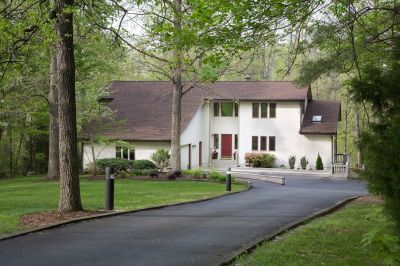


This section helps compare local contractors for residential asphalt paving by establishing consistent scope definitions and expectations.
- Project Scope - Clearly define the size, shape, and specific areas to be paved to establish the project boundaries.
- Material Specifications - Specify the type and quality of asphalt and any additional materials required for the paving job.
- Preparation Requirements - Identify site preparation needs, including surface grading and excavation, to ensure proper foundation.
- Work Standards - Outline expectations for surface smoothness, compaction, and finish quality to align with project goals.
- Documentation & Agreements - Ensure all project details, scope, and expectations are documented in a written agreement with the service provider.
When evaluating contractors for residential asphalt paving, it is important to consider their experience with similar projects. Homeowners should inquire about the types of paving jobs the service providers have completed in the past, paying attention to the size and scope of those projects. A contractor with a history of handling residential driveways, walkways, or small parking areas can often demonstrate familiarity with common site conditions and typical challenges. This background helps ensure that the contractor understands the specific requirements of residential paving and can deliver results that meet expectations.
A clear, written scope of work is essential when comparing local contractors. Homeowners should seek detailed documentation that outlines the specific tasks to be performed, materials to be used, and any preparatory or finishing work included in the project. A comprehensive scope helps prevent misunderstandings and provides a basis for evaluating whether a contractor’s approach aligns with the homeowner’s needs. It also serves as a reference point throughout the project, making it easier to address any questions or concerns that may arise during the work process.
Verification basics involve confirming that contractors have the necessary experience and a track record of successful projects. Homeowners can ask for references or reviews from previous clients to gain insights into the quality of work and professionalism. Additionally, verifying that the contractor has the appropriate insurance coverage and proper documentation can provide added confidence in their reliability. While licensing and certification are not the focus here, ensuring that the contractor maintains good standing within the local trade community can be a useful indicator of their reputation and stability.
When comparing options, homeowners should focus on the contractor’s experience, clarity of the scope, and verification of their background. It is helpful to ask detailed questions about project approaches and to request written proposals that clearly define the work to be completed. Comparing these elements across several local service providers allows for an informed decision based on the contractor’s expertise, communication, and professionalism. This process ensures that the chosen contractor has the capacity to handle the project effectively while aligning with the homeowner’s expectations for quality and clarity.
Request written scope details from local contractors to ensure clear expectations and consistent project understanding.
- Experience and Credentials - What experience do local contractors have with residential asphalt paving projects similar to yours?
- Scope of Work - How do service providers define and outline the specific scope of the paving job to ensure clarity?
- Materials and Techniques - What materials and paving techniques do local contractors recommend for durability and longevity?
- Project Expectations - How do contractors communicate project expectations and deliverables in writing before starting work?
- Comparison Factors - What criteria should be used to compare different service providers’ approaches and scope definitions?
How can homeowners compare residential asphalt paving contractors? Homeowners should review credentials, ask for references, and verify experience to assess the reliability of local contractors handling asphalt paving projects.
What should be included in a scope of work for asphalt paving? A clear scope of work outlines the project’s extent, materials, surface preparation, and finish details, helping ensure all parties agree on expectations before work begins.
Why is verifying a contractor's experience important? Confirming a contractor’s experience helps ensure they have the skills and knowledge to deliver quality asphalt paving that meets standards and project requirements.
How can homeowners ensure their project expectations are understood? Putting project details and expectations in writing, including scope, materials, and finish quality, helps prevent misunderstandings and provides a record for reference.
What questions should be asked when evaluating asphalt paving service providers? Ask about their previous work, areas of specialization, methods used, and how they handle project challenges to gauge their suitability for the job.
How important is it to review the contractor’s reputation before hiring? Reviewing reputation through references and reviews can provide insights into a contractor’s reliability, quality of work, and professionalism for residential asphalt paving projects.
By reviewing the information provided, visitors can better understand how to identify experienced contractors, define the scope of their residential asphalt paving projects, and ensure all expectations are clearly outlined in writing. This approach helps to facilitate a smoother process by enabling comparisons among nearby service providers based on relevant factors. Utilizing the quote form allows for straightforward access to multiple local contractors, making it easier to evaluate options and find the right match for specific paving needs.
Taking the time to compare local contractors through the provided quote form supports making informed decisions about residential asphalt paving services. It encourages clear communication of project details and helps to verify each service provider’s experience and approach. This process can assist in connecting with reputable local contractors who are prepared to handle the job, ensuring that the scope and expectations are understood upfront without the need for commitments or promises.